helen@hbxinnuorollforming.com
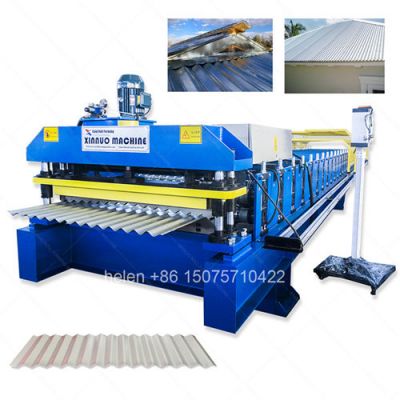
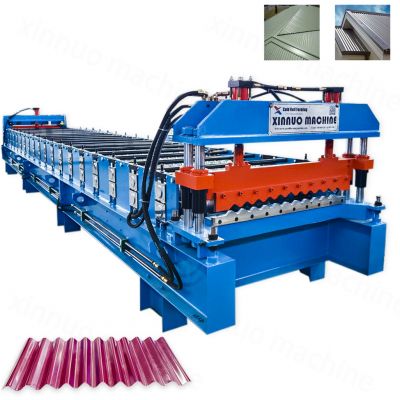
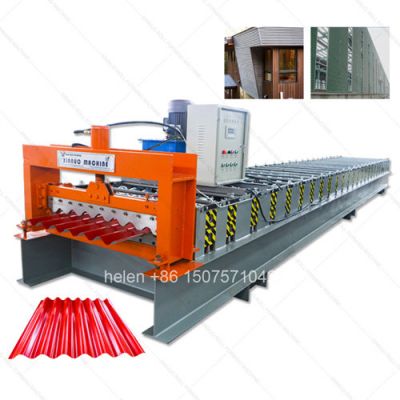
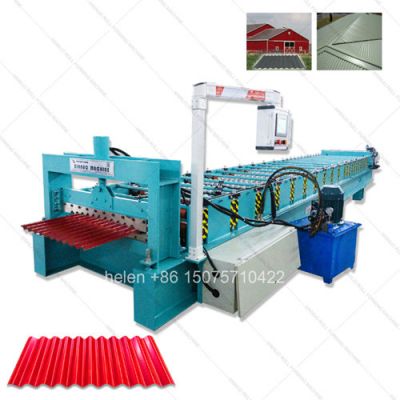
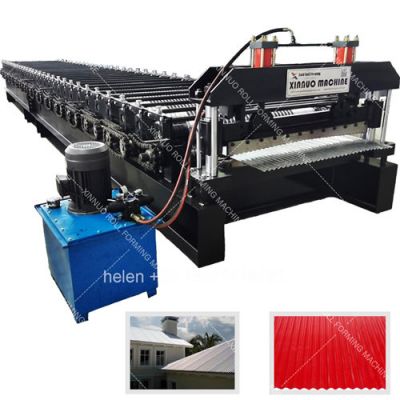
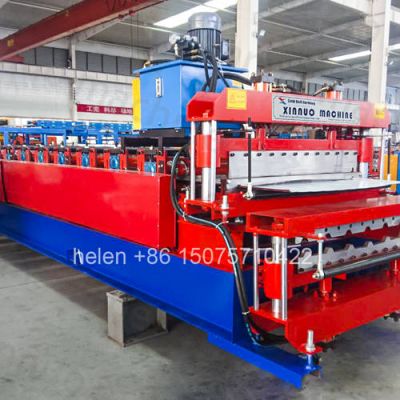
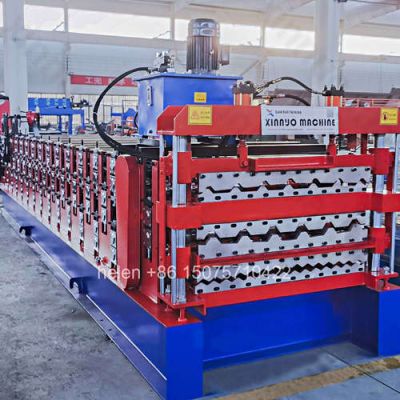
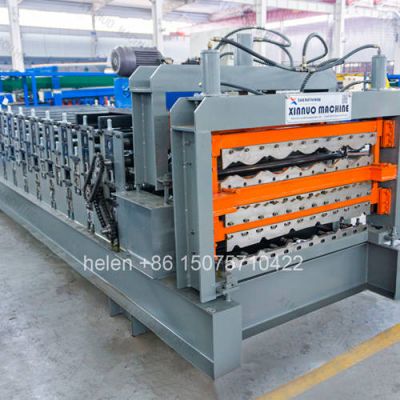
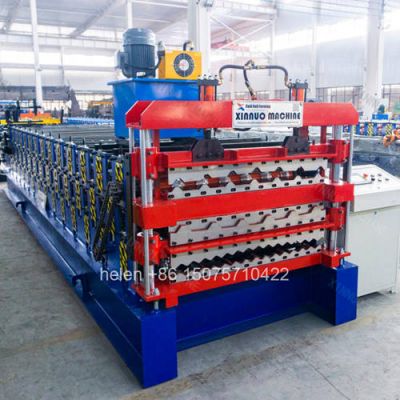
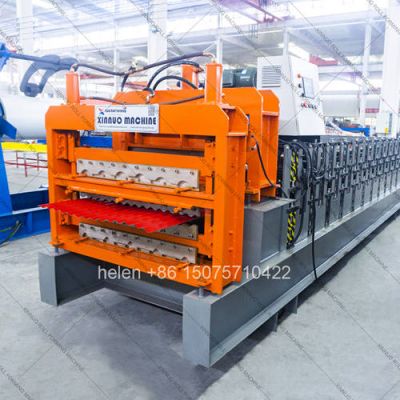
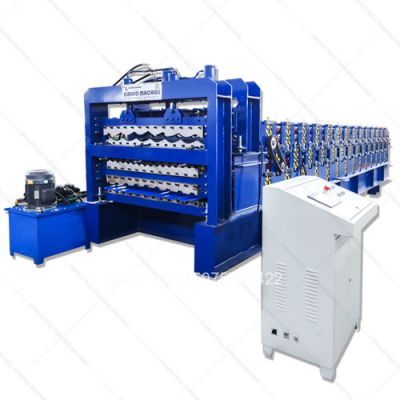
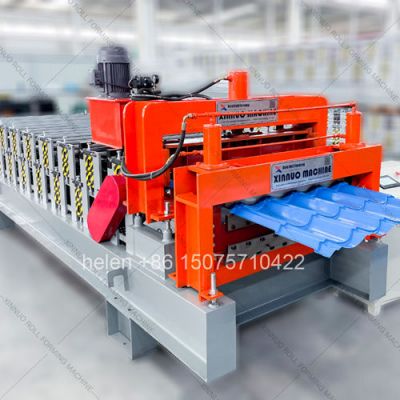
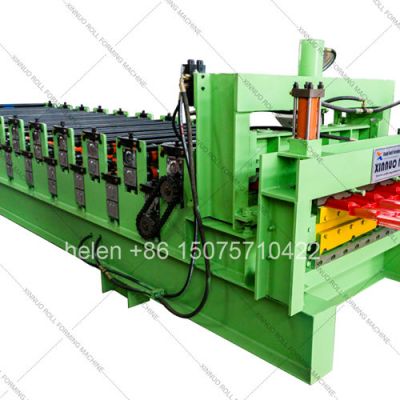
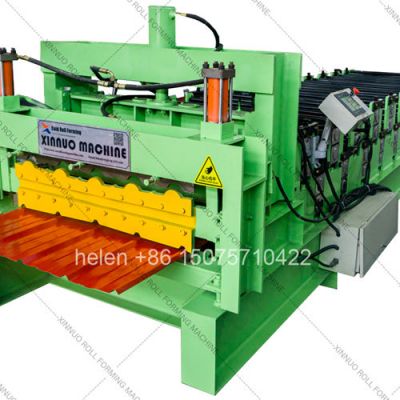
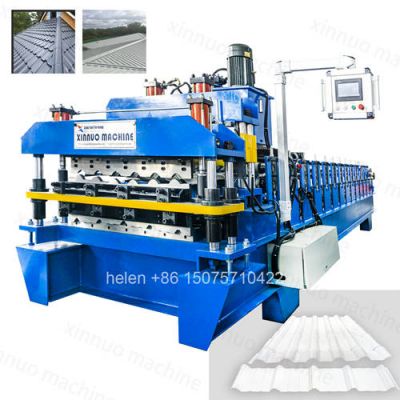
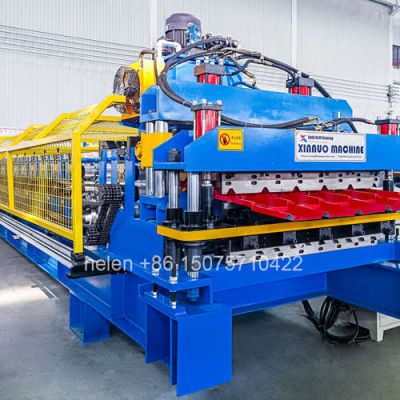
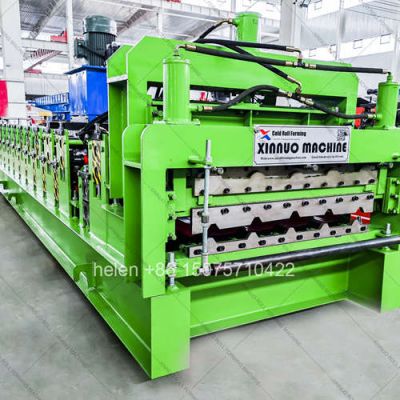
A double layer roll forming machine is a specialized cold roll forming system that integrates two independent sets of forming rollers stacked vertically within a single unified machine frame. By simply switching the material feed path, operators can produce two different metal roofing or wall panel profiles from one compact machine — eliminating the need to purchase, house, and maintain two separate production lines.
This space-saving design is ideal for roofing sheet manufacturers who serve diverse markets, building material distributors expanding into in-house production, and new investors seeking maximum equipment versatility with minimum floor space and capital outlay. Common profile combinations include IBR trapezoidal + corrugated sheet, trapezoidal + glazed tile, and arc wave + trapezoidal, covering the most globally demanded roofing profiles in a single investment.
| Comparison Factor | Two Single-Layer Machines | One Double Layer Machine |
|---|---|---|
| Equipment Cost | Full price of two independent machines | Approximately 65-75% of two single machines combined |
| Factory Floor Space | Approximately 44-88 m² (two separate footprints) | Approximately 20-35 m² (40-60% space savings) |
| Installation & Commissioning | Two independent setups, simpler per unit | Single installation; dual-roller alignment requires experienced technician (2-3 days typical) |
| Profile Switchover | Move material to another machine | Flip diverter guide — 5 to 15 minutes, no tooling change |
| Simultaneous Production | Both profiles can run at the same time | One profile at a time; cannot produce both simultaneously |
| Operator Requirement | Minimum two operators for two lines | Single trained operator manages both profiles |
| Maintenance Load | Two separate maintenance schedules | One unified maintenance routine for both roller tiers |
| Combination Type | Upper Layer Profile | Lower Layer Profile | Best-Suited Market Application |
|---|---|---|---|
| IBR + Corrugated | IBR trapezoidal (686-1050 mm) | Corrugated wave (665-990 mm) | Africa, Southeast Asia, South America — two most popular profiles in one machine |
| Trapezoidal + Trapezoidal | One width trapezoidal (e.g., 840 mm) | Another width trapezoidal (e.g., 900 mm) | Manufacturers serving both wall cladding and roof sheeting markets |
| Trapezoidal + Glazed Tile | Standard trapezoidal profile | Decorative glazed/antique tile profile | Dealers offering both economy structural sheets and premium decorative roofing |
| Arc Wave + Trapezoidal | Arc/sinusoidal wave profile | Trapezoidal rib profile | Industrial factory roofing (arc) + commercial wall cladding (trapezoidal) |
| Arc Wave + Glazed Tile | Arc wave profile | Glazed antique tile profile | Middle East and Southeast Asia — combined industrial and heritage architecture demand |
| Step | Stage | Process Description |
|---|---|---|
| 1 | Coil Loading | Steel coil mounted on hydraulic decoiler; expanding mandrel grips and centers the coil |
| 2 | Path Selection | Manual diverter guide set to route strip into upper or lower roller tier based on target profile |
| 3 | Roll Forming | Coil strip passes through 12-18 sequential roller stations, incrementally shaped into final IBR or corrugated profile |
| 4 | Length Control | Rotary encoder tracks linear material travel; PLC triggers cut at preset sheet length |
| 5 | Hydraulic Cutting | Flying post-cut shear activates in synchronization with line speed for clean, burr-free panel ends |
| 6 | Panel Collection | Finished sheets discharge onto run-out conveyor; manual or automatic stacking arm collection |
Hebei Xinnuo is a professional cold roll forming machinery manufacturer with 20+ years of experience. We specialize in C/Z purlin machines, roof panel roll formers, floor deck machines, and custom profile solutions — exported to 50+ countries worldwide.