helen@hbxinnuorollforming.com


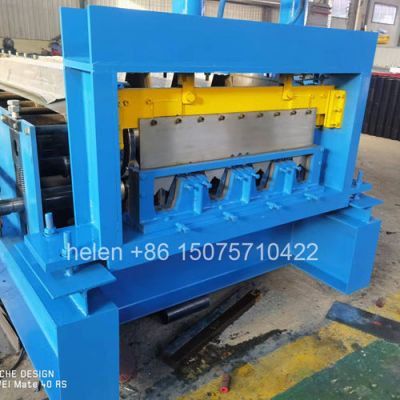
Cold roll forming system for structural steel floor deck panels
PLC auto control with rotary encoder precision length cutting
Twin motor chain drive, hardened chrome-plated forming rollers
Supports 510 to 1025 type profiles, 0.8-1.5mm galvanized coil
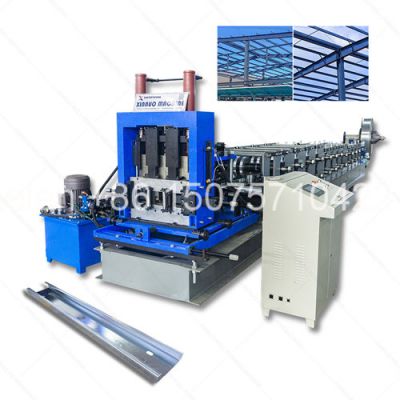
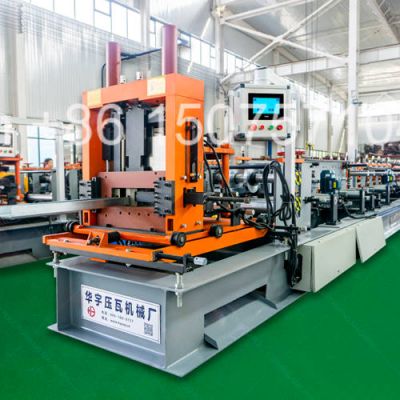
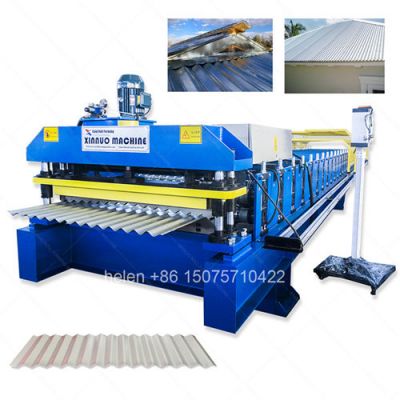
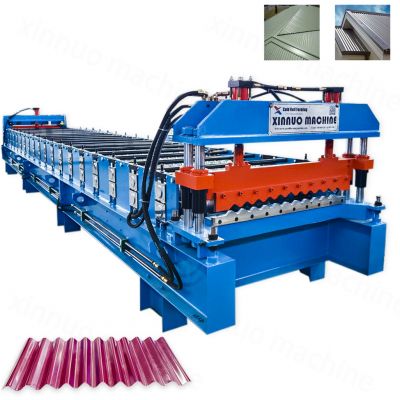
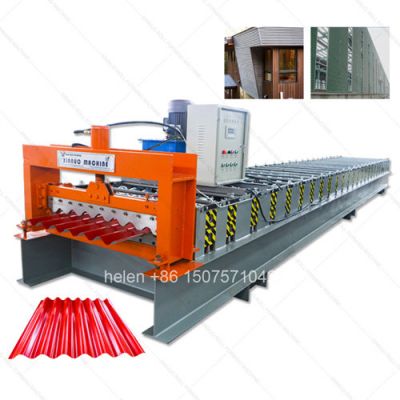
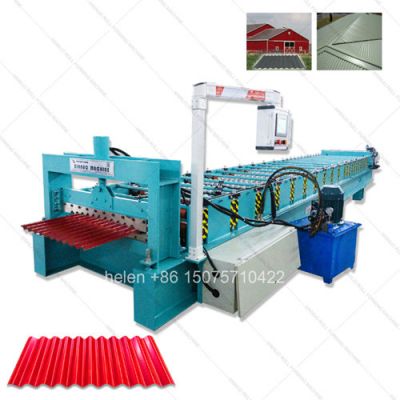
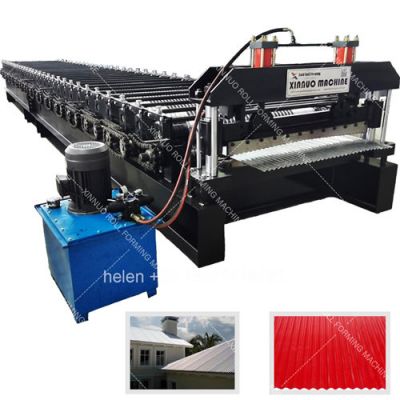
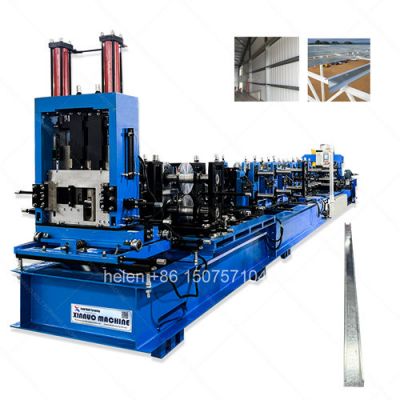
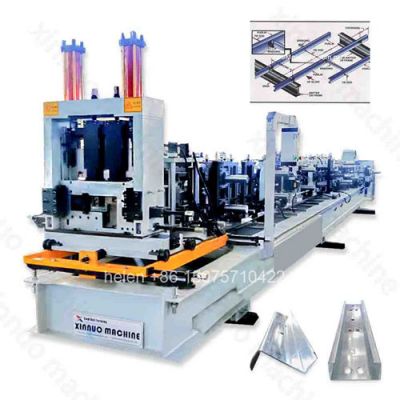
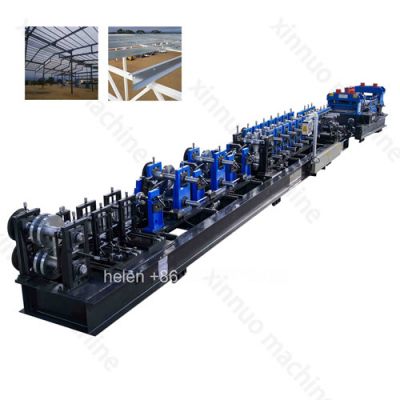
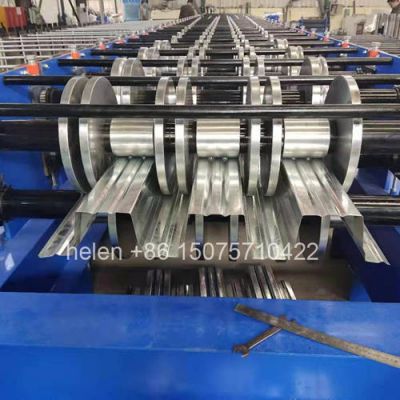
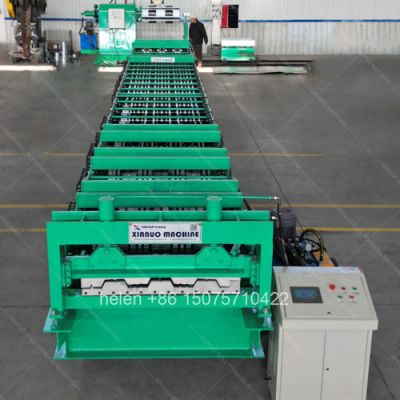
This steel deck roll forming machine produces structural-grade trapezoidal steel decking panels from galvanized coil stock in a single continuous in-line process. The output panels serve as permanent steel formwork and composite reinforcement in multi-story steel-frame buildings, industrial plants, parking structures, and mezzanine floors. Unlike roof panel machines, this equipment is engineered for the high forming forces required by deep-rib profiling — handling material up to 1.5mm gauge at sustained production speeds with zero panel distortion. Designed for export markets, the complete line ships in standard 40HQ containers with pre-assembled sub-sections for rapid on-site commissioning.
| Deck Type | Effective Width | Rib Config | Typical Building Use | Span Range |
|---|---|---|---|---|
| 510 | 510mm | 2 ribs × 50mm | Residential mezzanine, light commercial renovation | 1.5–2.5m |
| 600 | 600mm | 3 ribs × 50mm | Office buildings, retail floors, school construction | 2.0–3.0m |
| 688 | 688mm | 2 ribs × 76mm | Heavy industrial mezzanine, warehouse floors | 2.5–4.0m |
| 750 | 750mm | 3 ribs × 53mm | Factory buildings, logistics centers, cold storage | 2.0–3.5m |
| 820 (Closed) | 820mm | 3 dovetail ribs | High-rise composite slabs, long-span parking decks | 3.0–6.0m |
| 870 | 870mm | 3 ribs × 60mm | Shopping mall floors, airport terminal structures | 2.5–4.5m |
| 915 | 915mm | 3 ribs × 76mm | Commercial high-rise, hospital slab construction | 3.0–5.0m |
| 1025 | 1025mm | 3 ribs × 51mm | Large-span industrial workshop floors | 2.5–4.0m |
| Comparison Point | Cast-in-Place Formwork | Precast Slabs | Steel Deck Composite |
|---|---|---|---|
| Construction Cycle | 14–21 days per floor | 7–10 days per floor | 5–7 days per floor |
| Crane Dependency | Low (timber handling) | Very high (heavy precast units) | Moderate (coil + panel bundles) |
| On-Site Labor | Carpenters + steel fixers + laborers | Rigging crew + grouting team | 2–3 deck installers per shift |
| Slab Weight | Standard | 30–40% heavier than composite | 15–25% lighter than equivalent |
| Seismic Performance | Adequate with detailing | Requires special connections | Excellent — diaphragm action proven |
| Material Waste | Timber stripping waste, plywood disposal | Minimal | Near zero — coil-to-length cutting |
| Part | Material & Process | Service Life Expectation |
|---|---|---|
| Welded Frame | Laisteel 450H I-beam, stress-relieved after welding | 20+ years with standard maintenance |
| Drive Shafts | Φ95–115mm 100mm round bar, CNC turned, ground, chromed | 15+ years before re-chrome required |
| Forming Rollers | 45# forged steel, quenched HRC 45–50, hard chrome plated | 8–12 years at 8-hour daily operation |
| Drive Chains | 2-inch pitch heavy-duty roller chain, external guard housing | 3–5 years with lubrication schedule |
| Hydraulic Shear Blade | Cr12MoV cold-work tool steel, HRC 58–62 | 500,000 cuts before re-grind |
| PLC Controller | Industrial-grade processor, dust-proof sealed enclosure | 10+ years, firmware upgradeable |
| HMI Touchscreen | 7-inch color LCD, resistive touch, IP65 front face | 5–8 years typical panel life |
| Bearings | Double-sealed deep groove ball, grease-lubricated | Replace every 3 years under normal load |
| Section | Packaging Method | Container Fit |
|---|---|---|
| Forming Main Unit | Disassembled into 3 sub-sections; each vacuum-wrapped with VCI anti-rust film, then timber-crated | Fits 40HQ alongside decoiler and run-out table |
| Rollers & Shafts | Individually oil-wrapped, packed in reinforced plywood cases with foam cutouts | Palletized for forklift handling |
| Decoiler | Fully assembled, bolted to steel pallet with bracing frame | Shares 40HQ with main unit |
| Electrical Cabinet | Desiccant-packed sealed crate, shock-mounted base | Top-loaded in container |
| Hydraulic Station | Oil drained, ports capped, steel frame crate | Floor-loaded alongside decoiler |
| Spare Parts Kit | Labeled plywood box: 1 set shear blades, 2 drive chains, bearing set, seals, PLC backup | Compact, shipped inside electrical crate |
| Interval | Action | Responsible |
|---|---|---|
| Daily | Visual inspection of chain tension and roller surface condition; clear metal debris from guides | Line operator |
| Weekly | Grease all bearing points (20+ nipples); check hydraulic oil level and hose integrity | Maintenance technician |
| Monthly | Verify PLC backup battery; inspect shear blade edge; torque-check frame anchor bolts; clean HMI screen | Shift supervisor |
| Quarterly | Drain and replace hydraulic oil; measure chain elongation with gauge; verify encoder calibration with test cut | Maintenance team |
| Annually | Full roller inspection — measure wear on each station; replace any roller with >0.2mm profile deviation; re-grease gearboxes | Maintenance team |
| Test | Method | Acceptance Criteria |
|---|---|---|
| No-Load Dry Run | Run machine at full speed for 30 minutes without material | No abnormal vibration, chain noise within 75dB, all rollers rotate freely |
| Material Trial | Feed 50 meters of customer-specified gauge coil at production speed | Profile dimensions within ±1mm of drawing, no surface scratching, dimples fully formed |
| Shear Accuracy | Cut 10 panels at preset length; measure each with calibrated tape | All 10 pieces within ±1.5mm of target length |
| Safety Loop | Trigger each emergency stop button during operation | All motors and hydraulics stop within 2 seconds |
| Electrical Load | Measure current draw at max forming speed under material load | Within 85% of motor rated current for sustained operation |
Hebei Xinnuo is a professional cold roll forming machinery manufacturer with 20+ years of experience. We specialize in C/Z purlin machines, roof panel roll formers, floor deck machines, and custom profile solutions — exported to 50+ countries worldwide.